
Stephen Schultz | March 19, 2026 | Dog Bites
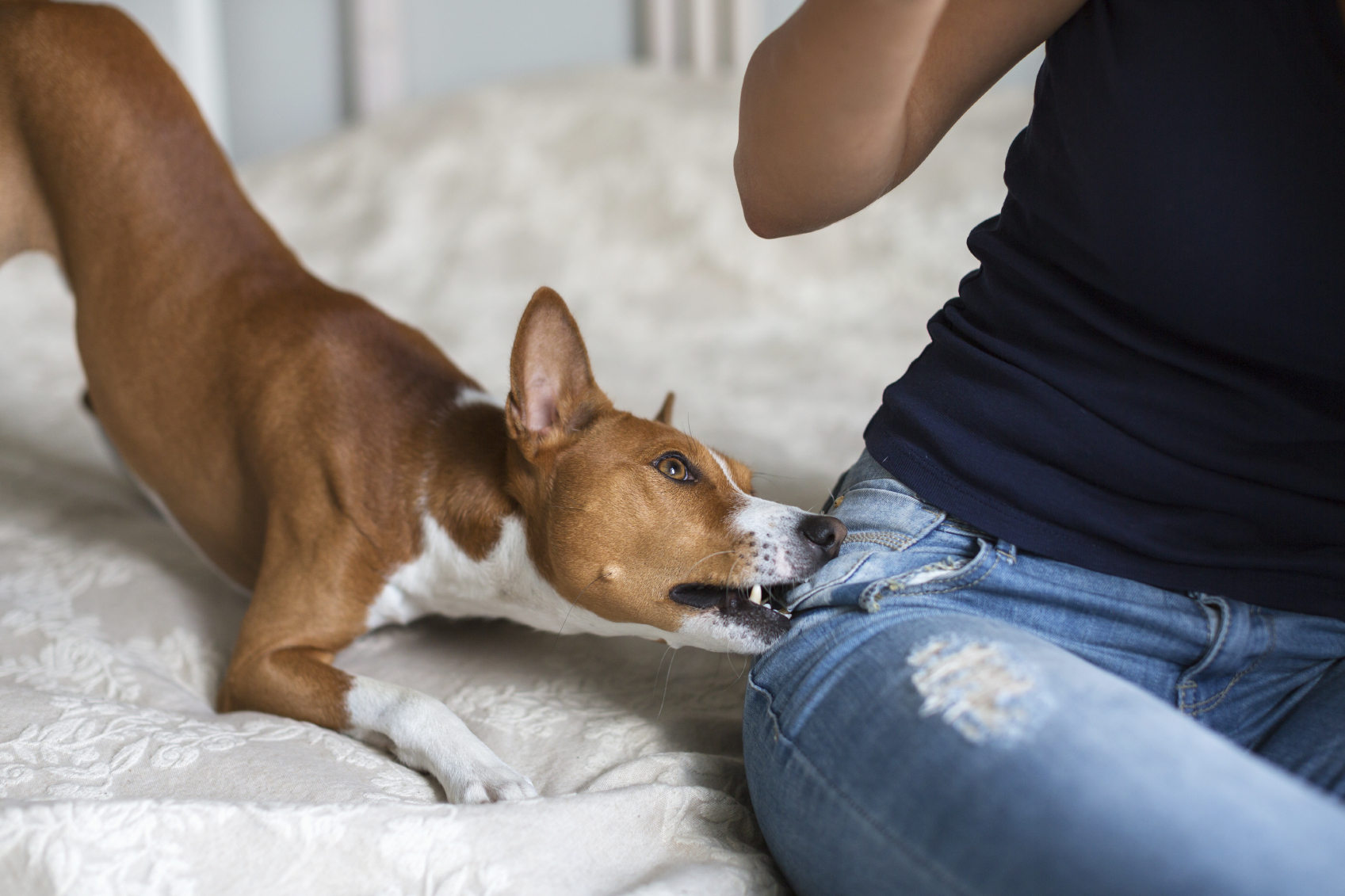
There is a widespread myth that a dog’s mouth is cleaner than a human’s. In fact, dogs have billions of bacteria in their mouths that can spread diseases and infections. The myth arises from the fact that the microorganisms in dogs’ mouths are more likely to infect other dogs than humans.
Humans can, in fact, contract diseases from dog bites. However, the types of human infections that can result from dog bites are relatively limited. Here’s a look at some common complications from dog bites in Missouri.
Rabies
Rabies is often associated with dog bites, although widespread vaccination of domestic dogs has significantly reduced the risk. Today, the risk is more commonly linked to wild or stray animals.
Rabies is a serious viral infection that is almost always fatal once symptoms appear. Early symptoms may include headache, fever, weakness, and discomfort near the bite site. If the dog cannot be located or its vaccination status is unknown, doctors may recommend post-exposure prophylaxis (PEP), a series of shots that can prevent the disease from developing.
Tetanus
Tetanus, commonly known as lockjaw, is caused by bacteria found in soil and the environment. A dog bite can introduce this bacteria into the body, particularly if the wound is contaminated. In some cases, infection may occur if the victim falls during the attack and the wound comes into contact with dirt.
Symptoms of tetanus include muscle stiffness, spasms, and difficulty swallowing. Most people are vaccinated against tetanus, but a booster shot may be recommended after an injury. Treatment may also include medication to manage symptoms and prevent complications.
Staph Infection
Another common infection is staph. This infection, caused by the Staphylococcus bacteria, lives on many surfaces. In fact, a common medical malpractice claim arises when patients contract staph from unclean surgical instruments.
Staph infections from dog bites can cause fever, pain, and swelling at the bite location. These infections can be treated with antibiotics.
Capnocytophaga
Capnocytophaga lives on the teeth of cats and dogs. This bacterium can cause a deadly infection in bite victims. Symptoms include pain, redness, and swelling near the bite. The skin may blister and ooze near the wound. You may also experience fever, vomiting, and a headache.
An untreated infection can cause necrosis of tissue near the bite, leading to gangrene and kidney failure. Doctors can prescribe antibiotics to treat this disease.
Pasteurellosis
Pasteurellosis is another bacterium that commonly lives in dogs’ mouths. This bacterium can cause a skin infection characterized by redness, pain, and swelling. It can be treated with antibiotics.
Fusobacterium
Fusobacterium is a type of bacteria commonly found in the mouths of animals, including dogs. In rare cases, it can contribute to serious infections if it enters the bloodstream through a bite wound.
Symptoms may include swelling, pain, and signs of infection near the bite area. In more severe cases, complications can develop if the infection spreads. Prompt medical care and antibiotics are typically effective in preventing more serious outcomes.
Treatment of Dog Bites
Treatment may be required after even a minor dog bite. Bacteria can enter from the environment, the victim’s own skin, or the dog’s mouth through any open wound. Doctors will often clean and dress the bite wounds and prescribe preventive antibiotics.
Depending on the patient’s and dog’s vaccine histories, doctors may also administer a tetanus vaccine. The tetanus vaccine helps prevent infection, and a booster shot may be recommended after certain injuries.
Finally, if the dog’s rabies status cannot be determined or it tests positive for rabies, the patient may need to undergo lengthy and expensive rabies treatments.
Contact Schultz & Myers Personal Injury Lawyers To Schedule a Free Consultation With a Columbia Dog Bite Lawyer
Dog bites can damage the tissues and transmit diseases. These diseases range from easily treated infections to life-threatening rabies. Fortunately, treatments are available to dog bite victims who seek immediate medical care.
If you suffered a dog bite in Missouri, it can be worth talking to a lawyer to find out whether you are eligible to pursue compensation for your injuries. Reach out to Schultz & Myers Personal Injury Lawyers today to speak with a Columbia dog bite attorney.
Dog bite accidents can change your life in an instant. If you’ve been hurt in a dog bite accident, call Schultz & Myers Personal Injury Lawyers now to schedule a free consultation with a Columbia dog bite attorney. We’ll review your case for free and help you take the next steps toward justice and recovery.
Contact the attorneys at Schultz & Myers Personal Injury Lawyers at the nearest location to schedule a free consultation, we proudly serve all throughout Missouri, including St. Louis County and Boone County and we have offices in St. Louis, Ladue, Columbia, Creve Coeur.
Schultz & Myers Personal Injury Lawyers – St. Louis Office
319 N 4th Street, Suite 835, St. Louis, MO 63102
(314) 444-4444

Schultz & Myers Personal Injury Lawyers – Columbia Office
28 N 8th St # 502, Columbia, MO 65201
(573) 702-3285
Schultz & Myers Personal Injury Lawyers – Ladue Office
9807 S 40 Dr, St. Louis, MO 63124
(314) 912-3302
Schultz & Myers Personal Injury Lawyers – Creve Coeur Office
999 Executive Pkwy Dr #205, Creve Coeur, MO 63141
(314) 350-4021