
If someone is injured by another person’s negligence in Missouri, the person who causAed the harm is not always the only party who can be held legally responsible. In many situations, a third party can also be held liable for damages, even if they were nowhere near the accident when it occurred. This concept is known as vicarious liability.
In many cases, this concept can be the difference between filing a claim against an individual with limited resources and filing one against a company with significant insurance coverage. If you have been injured in an accident caused by someone else, an experienced personal injury attorney can help you identify all potentially liable parties.
Is Vicarious Liability the Same as Direct Liability?
Vicarious liability differs from direct liability because it does not necessarily depend on the employer’s own negligent conduct. Instead, liability may arise from the relationship between the employer and an employee who acted within the scope of employment. In some cases, an employer may also face separate claims based on its own conduct.
Respondeat Superior: When Employers Are Liable for Employee Conduct
The most common form of vicarious liability in Missouri is a legal doctrine called respondeat superior. Under this rule, an employer can be held liable for an employee’s negligent actions, provided the employee was acting within the scope of their employment at the time.
Missouri courts generally consider an act to fall within the scope of employment when two conditions are met:
- The act was done to further the business or interests of the employer, even if it was not specifically authorized.
- The act naturally arose from the kind of work the employee was hired to do.
These factors help distinguish work-related conduct from actions that are purely personal to the employee. Because the distinction is highly fact-specific, courts may consider the employee’s duties, purpose, and activities at the time of the incident.
What Does “Within the Scope of Employment” Mean?
Whether an employee was acting within the scope of employment is not always obvious. An employee may still be acting within the scope of their job even if they were not specifically instructed to perform the particular act that caused the injury. The key questions generally involve whether the employee was furthering the employer’s business or interests and whether the conduct naturally arose from the work they were hired to perform.
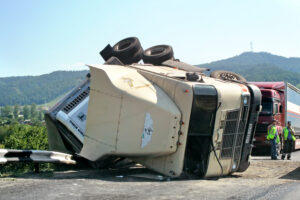
A straightforward example involves commercial vehicle accidents. If a delivery driver runs a red light and causes a crash while making a scheduled delivery, the driver’s employer may be held liable for the resulting injuries. The driver was performing a work-related task at the time, which brings the employer into the picture.
However, the situation could be different if the driver abandons their work duties to handle a purely personal matter. These cases often depend on what the employee was doing and why they were doing it when the accident occurred.
What if an Employee Was Not Following Company Rules?
An employer may argue that it should not be responsible because an employee violated company policy or acted without permission. However, the fact that an employee broke a rule does not necessarily mean the conduct fell outside the scope of employment.
Instead, the circumstances surrounding the employee’s actions matter. If the conduct was still connected to the employee’s work and undertaken to further the employer’s business or interests, the employer may still face liability. Determining where work-related conduct ends and purely personal conduct begins can require a close look at the facts.
How Vicarious Liability Can Strengthen Your Personal Injury Claim
From a practical standpoint, vicarious liability matters because it expands the pool of parties a victim can pursue for compensation.
Consider the difference:
- The individual who caused the accident may carry minimal insurance or have limited personal assets.
- The employer or vehicle owner behind them is far more likely to have substantial coverage.
This can be especially important when an accident results in extensive medical treatment, significant time away from work, or long-term injuries. Identifying all potentially responsible parties can provide a clearer picture of the insurance coverage and other resources that may be available to compensate an injured person for their damages.
Contact a St. Louis Personal Injury Attorney at Schultz & Myers Personal Injury Lawyers for a Free Consultation
Determining who is legally responsible for your injuries is one of the most important steps in building a successful claim. Vicarious liability can open the door to additional sources of compensation that might not be obvious at first glance.
If you were injured in an accident in Missouri, a St. Louis personal injury lawyer at Schultz & Myers Personal Injury Lawyers can evaluate the facts and help identify every party that may owe you damages. Schedule a free consultation today at (314) 444-4444.