
Stephen Schultz | February 20, 2026 | Car Accidents
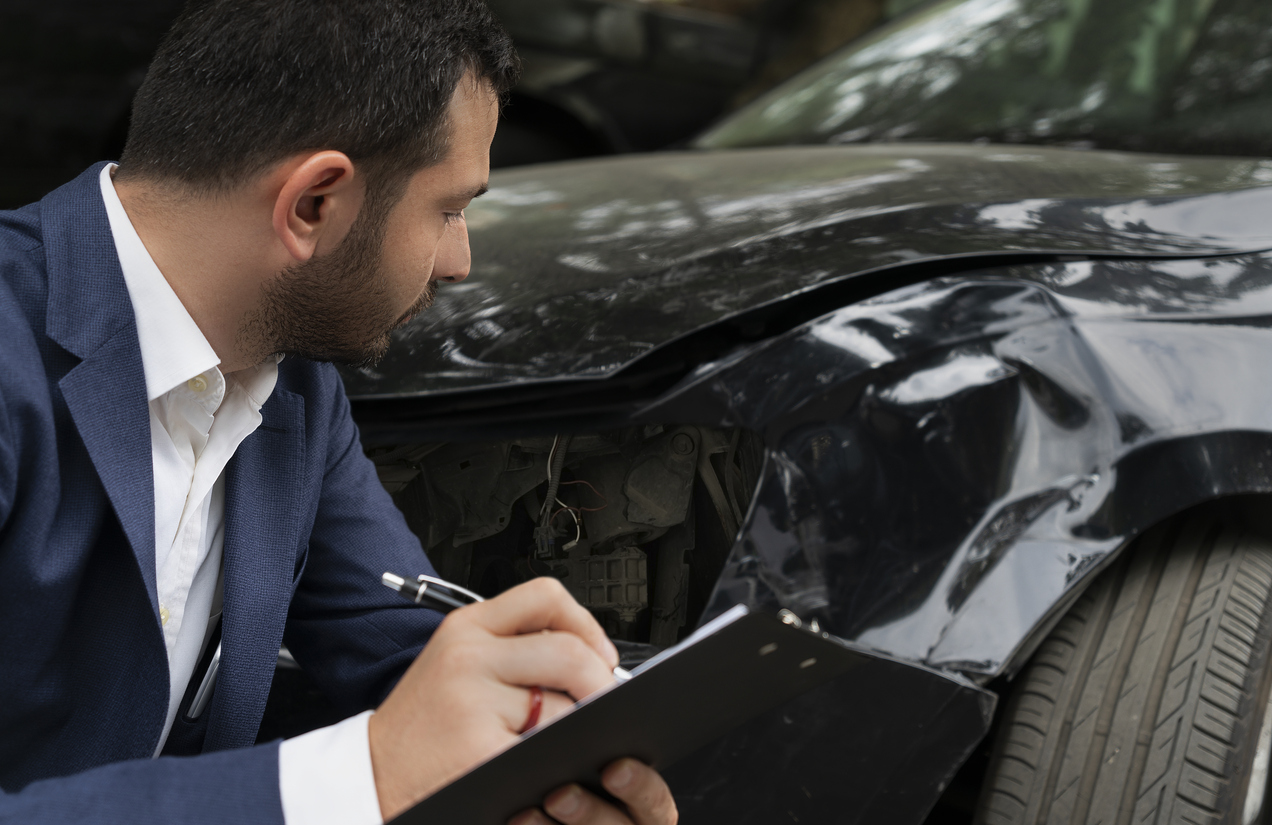
When people hear the phrase crash-test dummies, they might picture commercials, old crash-test dummies, toys, or even the Crash Test Dummies band from the 1990s. In reality, crash test dummies play a critical role in improving vehicle safety and reducing injuries in real-world collisions.
For drivers in St. Louis, Missouri, the science behind crash-test dummies directly affects how well modern vehicles protect occupants during a car accident.
What Are Crash-Test Dummies?
Crash-test dummies are highly engineered devices designed to simulate how the human body reacts in a collision. Unlike toys or action figures from the 2000s, real crash-test dummies used by auto engineers are equipped with sensors that measure force, acceleration, and impact across different body regions.
Manufacturers conduct crash tests in controlled environments that recreate real-world crashes:
- Head-on collisions
- Side-impact crashes
- Rear-end accidents
- Rollover incidents
During barrier and vehicle impact tests, engineers measure to measure how force transfers through the body. Each crash-test dummy car accident scenario provides valuable data that informs safer vehicle design.
What Is Biomechanics and Why Does It Matter?
Biomechanics studies how forces affect the human body. During crash testing, researchers examine how bones, muscles, and internal organs respond to rapid deceleration.
This science helps determine how injuries occur, including:
- Traumatic brain injuries
- Spinal cord damage
- Rib fractures
- Whiplash and soft tissue injuries
By understanding injury thresholds, engineers design airbags, seat belts, and crumple zones that reduce the likelihood of severe harm. Modern crash-test dummies used in auto labs reflect decades of biomechanical research.
How Crash-Test Data Improves Vehicle Design
Each crash test generates extensive data. Sensors inside a crash-test dummy measure impact to the head, chest, pelvis, and legs. Engineers review this information to improve structural integrity and occupant protection.
Crash-test dummies have contributed to safety advancements such as:
- Multi-stage airbag systems
- Reinforced passenger compartments
- Improved seat belt pretensioners
- Energy-absorbing steering columns
Organizations such as NHTSA and IIHS rely on car accident data generated by crash-test dummies in order to evaluate and rate vehicle safety.
How Crash-Test Research Can Help Injury Victims Understand Their Case
Many people are surprised to learn that barrier crash tests generate data that is sometimes referenced in discussions about injury mechanisms. Understanding how force transfers through the body can help explain why injuries occur even in lower-speed impacts.
For example, a rear-end collision on a busy St. Louis roadway may not look severe from the outside. However, biomechanical research shows that sudden acceleration and deceleration can strain muscles and ligaments quickly. Research highlights that even short bursts of force can produce lasting symptoms.
Understanding these principles can help individuals better appreciate why medical evaluation after a crash is important, even if vehicle damage appears minor.
Do Safer Cars Eliminate the Risk of Injury?
Vehicle engineering has improved significantly over the past decades through crash-test research. Still, no safety system can eliminate risk entirely.
High-speed interstate crashes, side-impact collisions at intersections, and rollover accidents can overwhelm even advanced protective systems. Crash-test dummies demonstrate how safety features reduce risk, but they also confirm the physical limits of the human body.
What This Means for Missouri Drivers
Crash-test dummies, computer crash simulations, and biomechanical research have helped reduce fatalities nationwide. For drivers in St. Louis, these innovations translate into better protection on the road.
However, even the most advanced crash-test dummies and car accident studies cannot prevent every injury. Understanding how forces affect the body underscores the importance of prompt medical care and careful documentation after any collision.
Contact the St. Louis Car Accident Lawyers at Schultz & Myers Personal Injury Lawyers for Help Today
When a crash in St. Louis leaves you dealing with injuries and uncertainty, experienced guidance can make a meaningful difference. At Schultz & Myers Personal Injury Lawyers, our attorneys bring 100+ years of combined experience to personal injury cases. Our firm has a proven track record, recovering over $100 million for clients across Missouri.
Car accidents can change your life in an instant. If you’ve been hurt in a car accident, call Schultz & Myers Personal Injury Lawyers now to schedule a free consultation with a St. Louis car accident attorney. We’ll review your case for free and help you take the next steps toward justice and recovery.
Contact the attorneys at Schultz & Myers Personal Injury Lawyers at the nearest location to schedule a free consultation, we proudly serve all throughout Missouri, including St. Louis County and Boone County and we have offices in St. Louis, Ladue, Columbia, Creve Coeur.
Schultz & Myers Personal Injury Lawyers – St. Louis Office
319 N 4th Street, Suite 835, St. Louis, MO 63102
(314) 444-4444

Schultz & Myers Personal Injury Lawyers – Columbia Office
28 N 8th St # 502, Columbia, MO 65201
(573) 702-3285
Schultz & Myers Personal Injury Lawyers – Ladue Office
9807 S 40 Dr, St. Louis, MO 63124
(314) 912-3302
Schultz & Myers Personal Injury Lawyers – Creve Coeur Office
999 Executive Pkwy Dr #205, Creve Coeur, MO 63141
(314) 350-4021